“Give A Life, One Cup Of Tea”


 What is Orthodox Tea? – A Taste of Tradition and Purity
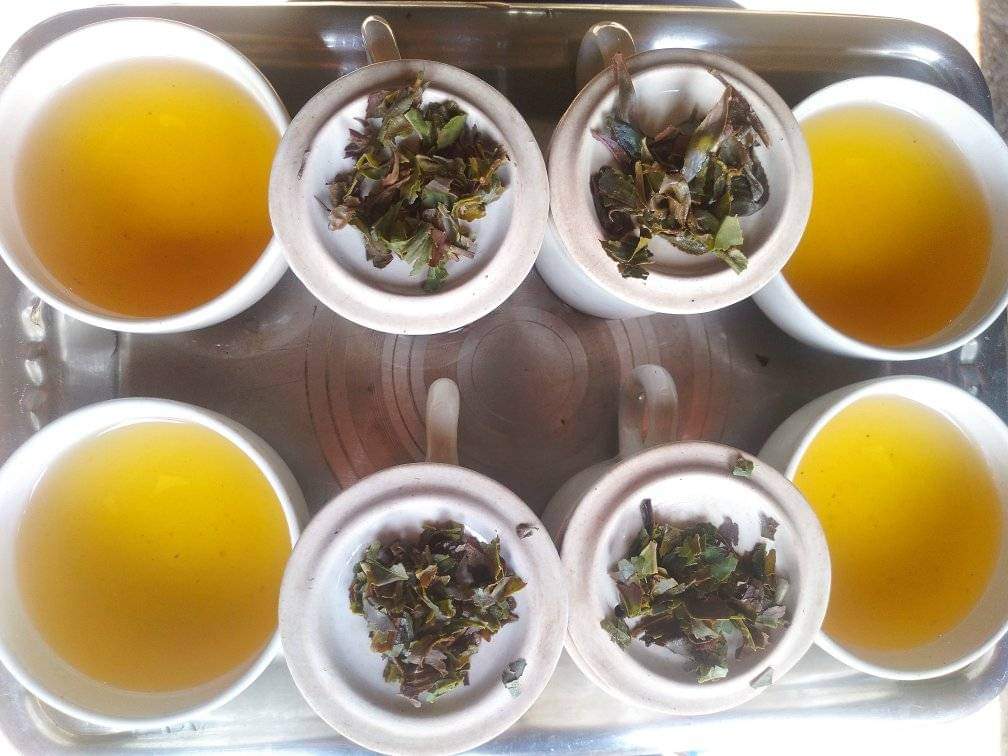
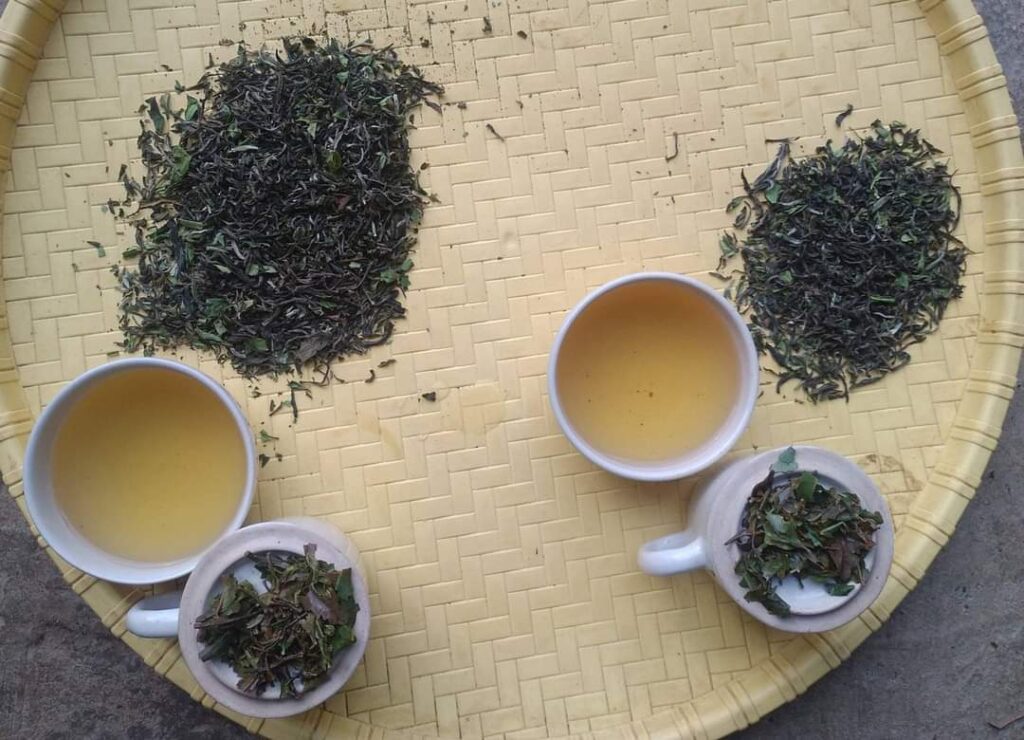
Orthodox Tea represents the art of traditional tea-making — where every leaf is carefully hand-processed to preserve its natural aroma, taste, and quality. Unlike modern machine-based tea production, orthodox tea making follows time-tested methods that bring out the finest flavors from each tea leaf.
 How Orthodox Tea is Made
The process of making orthodox tea involves several careful steps that maintain the natural integrity of the leaf:
Withering:
Freshly plucked tea leaves are spread out to remove excess moisture and soften them for rolling.Rolling:
The withered leaves are gently rolled to release natural juices and essential oils that define the tea’s flavor and aroma.Oxidation (Fermentation):
The rolled leaves are left to react with oxygen. This process gives black tea its rich color and strong flavor.Drying:
The oxidized leaves are then dried to stop further fermentation and to lock in the flavor.Sorting and Grading:
Finally, the dried leaves are sorted into various grades like whole leaf, broken leaf, and dust, based on size and quality.
 Types of Orthodox Tea
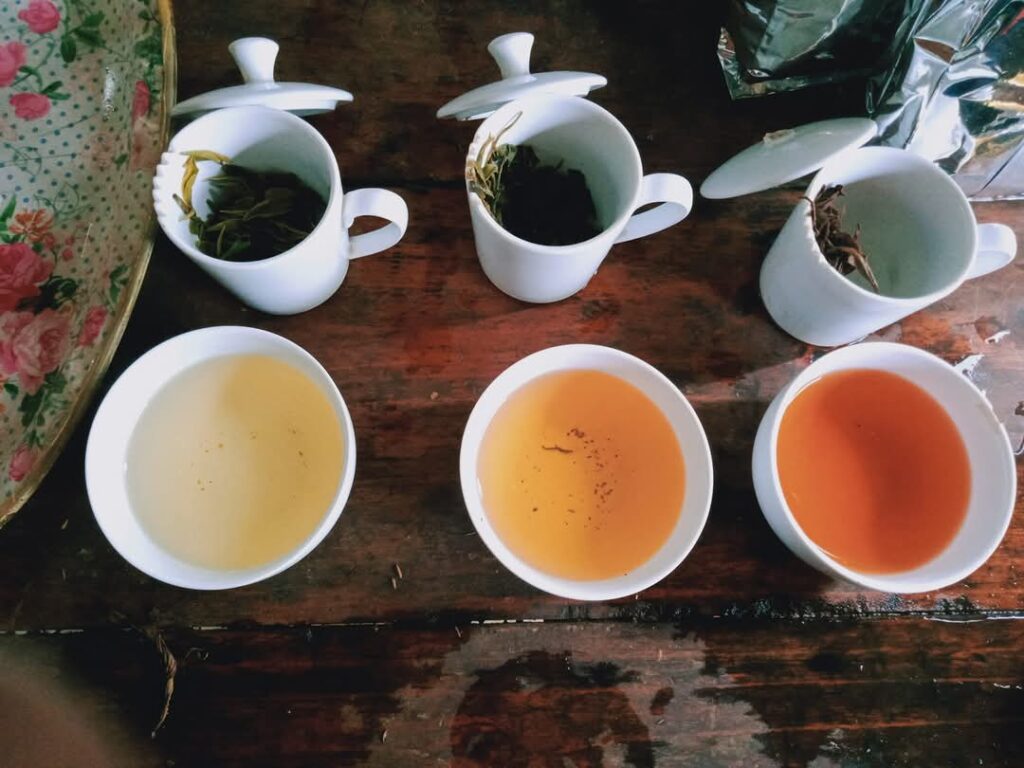
Depending on the level of oxidation and processing, orthodox tea can be classified into:
White Tea: Lightly processed and very delicate.
Green Tea: Unoxidized and rich in antioxidants.
Oolong Tea: Partially oxidized, with floral and fruity notes.
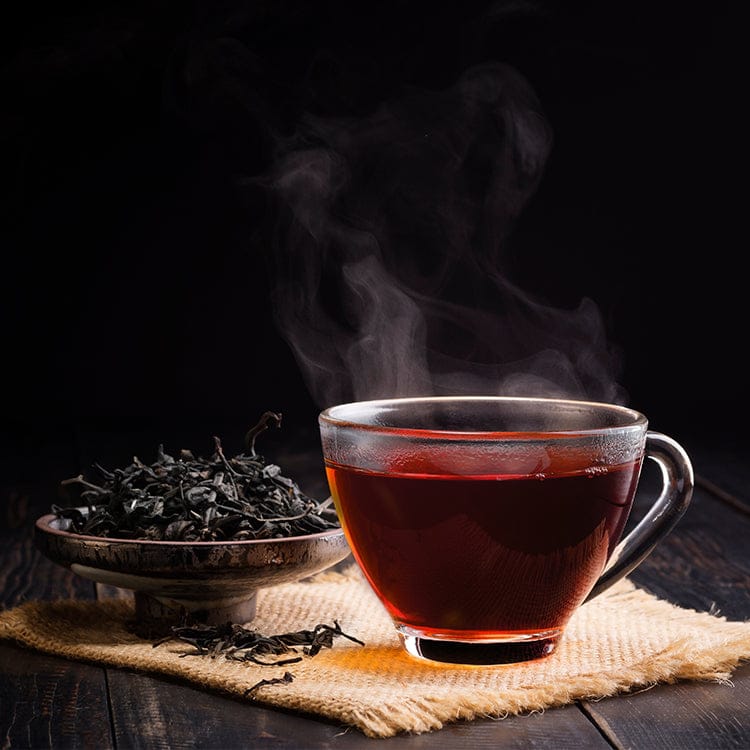
Black Tea: Fully oxidized, strong in color and flavor.
 Features of Orthodox Tea
Handcrafted using traditional methods
Retains the whole leaf structure
Offers complex aroma and flavor
Contains high antioxidant properties
Considered premium quality compared to CTC tea
 Major Orthodox Tea Producing Regions
Orthodox tea is produced mainly in high-altitude and cool-climate regions such as:
Nepal: Ilam, Panchthar, Dhankuta, and Taplejung
India: Darjeeling, Assam, and Nilgiri
Sri Lanka, China, Kenya, and Taiwan
Among these, Nepal’s Ilam orthodox tea has gained international fame for its unique aroma, bright color, and natural sweetness — making it one of the country’s proud agricultural exports.
 Orthodox vs. CTC Tea – The Key Difference
| Feature | Orthodox Tea | CTC Tea |
|---|---|---|
| Processing | Traditional (hand or semi-hand) | Machine-based (Crush, Tear, Curl) |
| Leaf Shape | Whole or broken leaves | Small granular pellets |
| Flavor | Mild, aromatic, and layered | Strong and brisk |
| Best For | Premium loose-leaf tea | Milk tea and tea bags |
 Health Benefits of Orthodox Tea
Drinking orthodox tea regularly can provide several health benefits:
Rich in antioxidants that fight free radicals
Helps in digestion and metabolism
Reduces stress and fatigue
Promotes heart health and mental alertness

Orthodox tea is more than just a beverage — it’s a symbol of tradition, care, and craftsmanship. Each sip tells the story of the hardworking farmers from hilly regions like Ilam who dedicate their lives to producing pure and flavorful tea. Whether enjoyed hot or cold, orthodox tea offers a refreshing experience that connects nature and culture in every cup.